

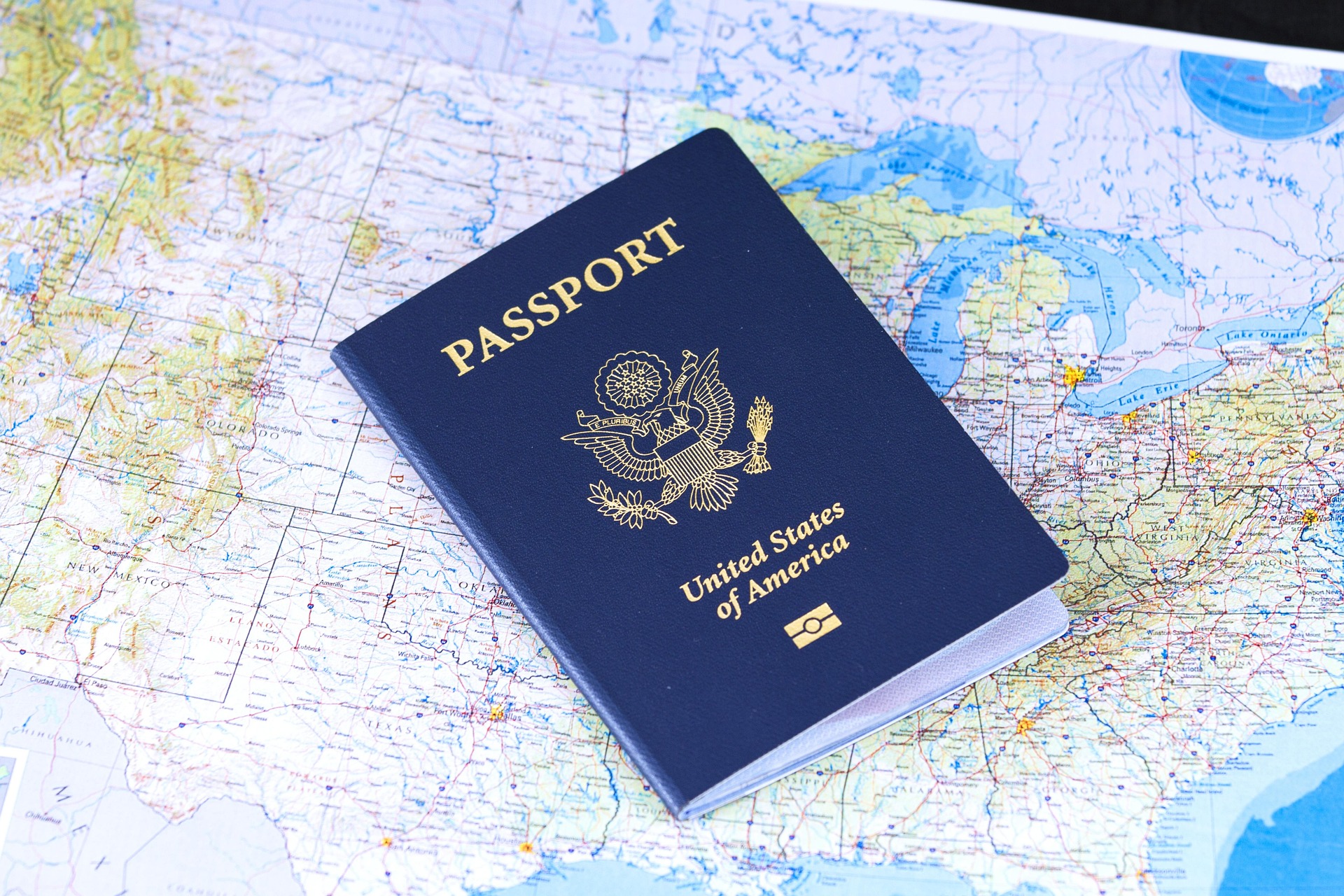
Applying for a visa, whether for studying abroad, work, or immigration, can be an exciting yet daunting process. One of the most critical components of your application is the Statement of Purpose (SOP). A strong SOP can be the difference between approval and rejection, especially when officials have to choose between equally qualified candidates.
This blog will break down everything you need to know about crafting a standout SOP — from understanding its purpose to tips that guarantee a strong impression. Let’s get you closer to your dreams abroad!
What is a Statement of Purpose (SOP)?
An SOP is a personalized essay you submit along with your visa application. It outlines your academic background, career goals, reason for choosing the specific country/university/program, and most importantly, your future plans.
It’s your opportunity to tell your story — beyond grades and work experience — and convince the visa officer that you are a worthy candidate who has genuine intentions and clear goals.
Why is an SOP Important for Visa Applications?
- Demonstrates clarity of purpose: Visa officers need to see that you have a clear, logical plan.
- Proves genuine intentions: It helps reduce concerns about illegal immigration or misuse of a visa.
- Highlights qualifications: It’s your chance to show achievements that may not be fully reflected in your academic transcripts or resume.
- Humanizes your application: Numbers are important, but a strong SOP adds a personal touch.
Essential Elements of a Successful SOP
1. Introduction: Hook the Reader
Your opening paragraph sets the tone. Start with a compelling personal story, a thought-provoking quote, or a vivid description of a pivotal moment in your life.
Example:
“As a young girl fascinated by the mysteries of the universe, I often spent nights stargazing and questioning the nature of existence. This curiosity led me to pursue a Bachelor’s degree in Physics, and now, it drives my ambition to further my research at XYZ University.”
✅ Tip: Keep it authentic and relevant to your academic or professional goals.
2. Academic Background and Achievements
Talk about your educational journey. Mention key subjects, projects, internships, research work, and any awards or recognitions.
✅ Tip: Focus on how your previous education aligns with the program or field you are pursuing.
3. Professional Experience (If Applicable)
If you have work experience, describe your role, responsibilities, and what you learned. Connect your experience to your future goals.
✅ Tip: Emphasize skills like leadership, teamwork, problem-solving, and innovation.
4. Why This Country and Institution?
Be specific about why you chose this country and this particular university/organization. Research and mention faculty names, courses, facilities, or values that attracted you.
✅ Tip: Avoid generic reasons like “good education system.” Instead, talk about specialized labs, cultural diversity, research funding, or notable professors.
5. Career Goals
What are your short-term and long-term goals? How will studying or working abroad help you achieve them?
✅ Tip: Visa officers love to see strong ties to your home country. Make it clear that you intend to return and contribute to your home country after achieving your objectives.
6. Financial Plan (Optional but Recommended)
Briefly mention how you plan to fund your education or stay — through scholarships, savings, parental support, or education loans.
✅ Tip: Showing financial stability gives confidence that you won’t be a financial burden abroad.
7. Conclusion: End on a Powerful Note
Reaffirm your passion, preparedness, and excitement about the opportunity. Leave a strong final impression.
Example:
“I am committed to making meaningful contributions in the field of Environmental Science, and I believe that studying at XYZ University will be the perfect next step in my journey toward becoming a changemaker in sustainable development.”
Pro Tips to Make Your SOP Stand Out
✅ Be Genuine
Don’t copy-paste templates from the internet. Authenticity shines through.
✅ Keep it Concise
Most SOPs should be around 800–1200 words — focused and crisp.
✅ Be Structured
Use clear paragraphs with logical flow — introduction, body, and conclusion.
✅ Proofread Multiple Times
Check for grammar, spelling, punctuation, and tone.
✅ Seek Feedback
Get mentors, friends, or professional editors to review your SOP.
✅ Avoid Overuse of Big Words
You don’t need to sound like a dictionary! Clarity is more important than complexity.
Sample SOP Structure (Quick Template)
| Section | Word Count Estimate |
|---|---|
| Introduction | 100–150 words |
| Academic Background | 200–250 words |
| Professional Experience | 150–200 words |
| Why This Country/Institution | 150–200 words |
| Career Goals | 150–200 words |
| Conclusion | 100–150 words |
Common Mistakes to Avoid
- ❌ Being too generic (“I want to study abroad because education is better.”)
- ❌ Exaggerating or lying (they can verify information).
- ❌ Talking negatively about your home country.
- ❌ Using an overly casual or informal tone.
- ❌ Submitting without a second (or third) review.
Conclusion
A Statement of Purpose is more than just a formality — it’s your voice in a process that otherwise feels bureaucratic and impersonal. Take your time crafting it. Think deeply about your motivations, dreams, and plans. When written well, an SOP can open doors to a brighter future and set you apart from hundreds of other applicants.
Remember: Your SOP should tell your story, demonstrate your passion, and prove your purpose.
Fun Fact / Key Takeaways 🎯
- Fun Fact:
Did you know that some universities in the USA and Canada consider the SOP more important than your GPA? A great SOP can even compensate for a slightly lower academic score! - Key Takeaways:
✔ Structure your SOP carefully.
✔ Be authentic and specific.
✔ Highlight future goals and genuine intentions.
✔ Proofread it like your future depends on it — because it does!








Leave a Reply